
Sala Air Conditioning
Key Considerations for Commercial HVAC Installation
Explore the essential factors to consider when planning a commercial HVAC installation. From system sizing to energy efficiency, ensure your business is equipped with a reliable and efficient HVAC system.
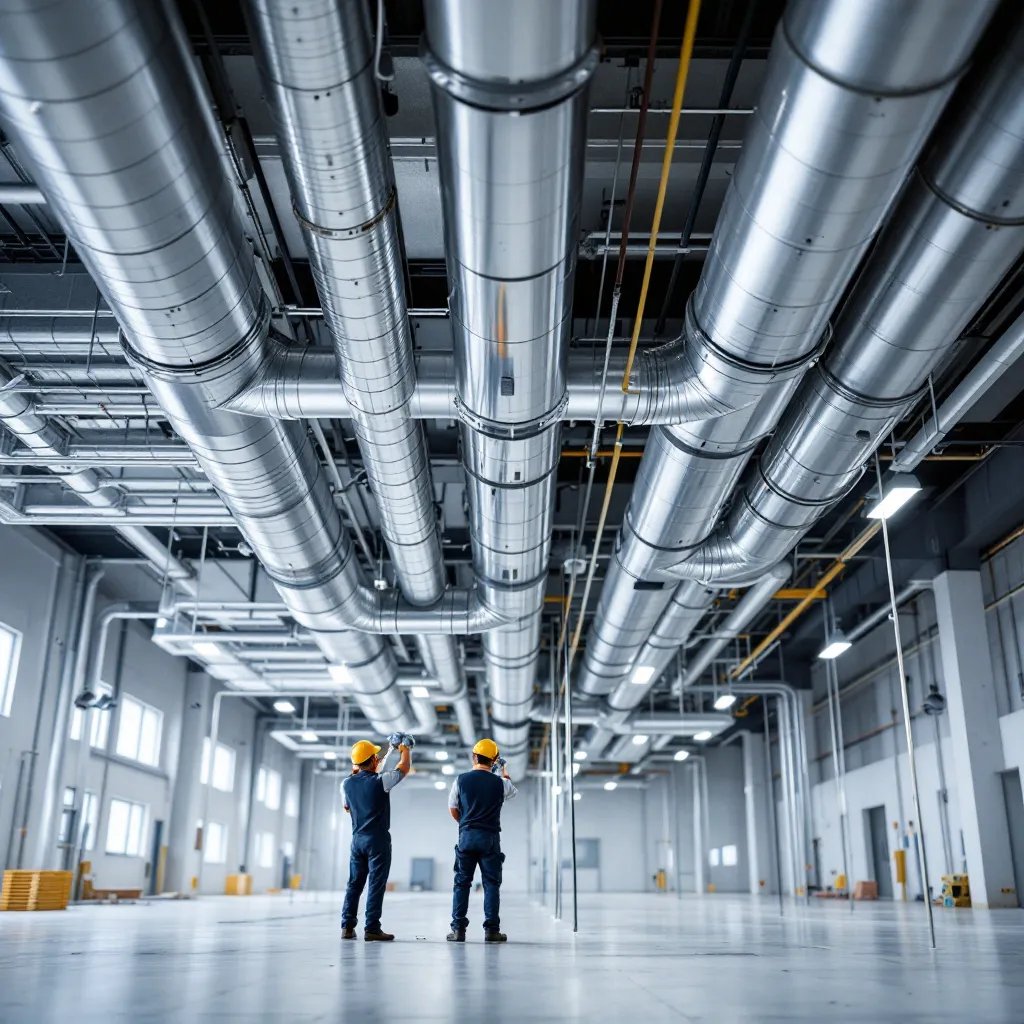
Understanding Your Commercial HVAC Needs
When planning a commercial HVAC installation, understanding the specific needs of your business is paramount. Different commercial spaces require different HVAC solutions based on factors such as the size of the building, the number of occupants, and the type of business operations.
An accurate assessment of your HVAC needs can help in selecting the right system, ensuring it meets both current and future demands. This process typically involves a detailed analysis of your building’s layout, insulation, and usage patterns.
- Evaluate the size and layout of your commercial space.
- Consider the number of occupants and their comfort needs.
- Analyze the type of business operations and their impact on HVAC requirements.
The Importance of Proper HVAC System Sizing
One of the critical factors in commercial HVAC installation is ensuring the system is properly sized. An undersized system will struggle to maintain comfort levels, while an oversized system can lead to inefficiencies and higher operational costs.
Professional HVAC contractors use precise calculations to determine the appropriate system size. This involves considering factors like the building’s square footage, thermal characteristics, and local climate conditions.
- Avoid the pitfalls of undersized or oversized systems.
- Utilize professional load calculations for accurate system sizing.
- Consider future expansion plans when sizing your system.
Prioritizing Energy Efficiency
Energy efficiency is a key consideration for commercial HVAC installations. Investing in high-efficiency systems can lead to significant cost savings over time, reducing energy consumption and lowering utility bills.
Look for systems with high SEER (Seasonal Energy Efficiency Ratio) ratings and consider integrating energy-saving technologies such as smart thermostats and variable speed motors.
- Opt for HVAC systems with high SEER ratings.
- Incorporate smart technologies for better energy management.
- Consider renewable energy options to complement HVAC systems.
Choosing the Right Installation Partner
The success of a commercial HVAC installation heavily relies on choosing a professional and experienced installation partner. A reputable contractor not only ensures a seamless installation process but also provides valuable insights into system selection and maintenance.
Sala Air Conditioning, for example, offers comprehensive installation services backed by decades of experience in the Dallas-Fort Worth area. Their team of certified professionals can assist in selecting the right system and ensuring it operates at peak efficiency.
- Select an experienced HVAC contractor with a proven track record.
- Ensure the contractor provides post-installation support and maintenance.
- Verify the contractor’s certifications and industry affiliations.
Frequently Asked Questions
What factors should I consider when planning a commercial HVAC installation?
Key factors include understanding your space’s specific needs, ensuring proper system sizing, focusing on energy efficiency, and selecting a reputable installation partner.
How can I ensure my commercial HVAC system is energy efficient?
Choose systems with high SEER ratings, integrate smart technologies, and consider energy-saving features and renewable energy options.
Ensure a Successful Commercial HVAC Installation
Partner with Sala Air Conditioning for your commercial HVAC installation needs. Our experienced team guarantees quality and efficiency, providing tailored solutions for your business.